
Compact equipment gets the job done in tight spaces where full-sized machines can't fit, at lower operating costs. The skid steer, invented by brothers Louis and Cyril Keller, started a downsizing revolution that now spans loaders, excavators, telehandlers, and more.
It has been 60 years since Eddie Velo, a Minnesota turkey grower, approached the blacksmithing Keller brothers with the request that they build a mobile loader compact enough to scoop up manure on the second floor of his barn. Six weeks later, the brothers delivered a machine they called a “Keller Self-Propelled Loader.” The rest is history: Melroe Manufacturing Co. began to build a modified version of the new machine and aptly renamed it. A couple of years ago, the one millionth “Bobcat” rolled off the assembly line.
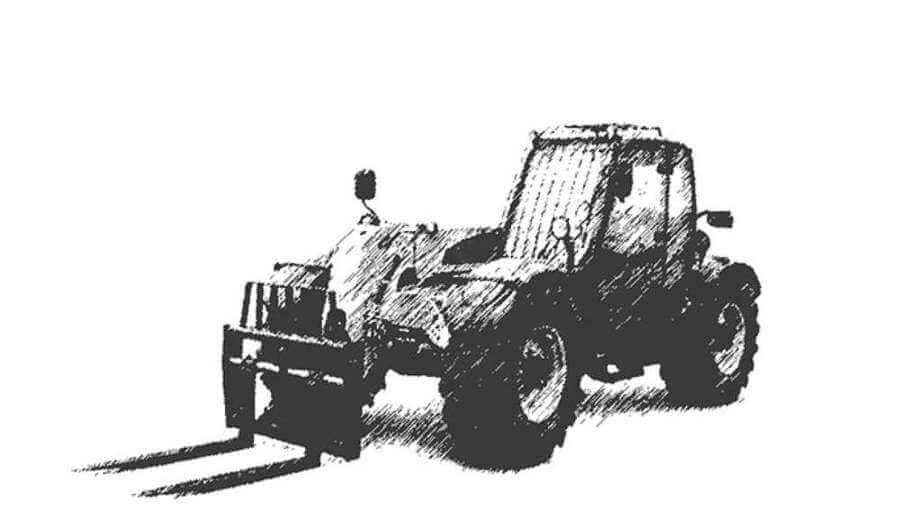
Today, the switch to compact machinery continues to gain momentum. Besides the original skid steers—which indeed are steered by skidding the tires instead of changing their direction—the lineup includes track loaders (skid steers on tracks), and compact versions of wheel loaders, wheel and track excavators, telehandlers, and utility vehicles. The technology in the machines has bled over into the ag market where compact tractors can do things your grandfather only dreamed about doing with his little Ford 4N.
So why are the smaller machines so darned popular? Because they essentially are more economical to operate and more versatile than their full-sized counterparts. Yet that understates the difference. Compacts have, in effect, ushered in revolutionary thinking about how to approach a job and most-efficiently complete it.