
Table of Contents
The best used SUV is one with a documented maintenance history, moderate mileage for its age, and a verifiable reliability record. Public-agency fleet vehicles, sold at auction after scheduled retirement, often check every one of those boxes for less than a comparable private-sale or dealership listing.
What Makes a Used SUV a Good Buy in the First Place
A good used SUV isn't defined by badge or trim level. It comes down to a handful of measurable things: mileage relative to age, a documented service history, and a track record for that make and model holding up over time. A five-year-old SUV with 45,000 miles and full oil-change receipts is a better bet than a three-year-old one with 60,000 miles and no paperwork.
Maintenance history matters more than almost anything else on this list. It's the difference between knowing an SUV had its transmission serviced on schedule and hoping it did. This is where fleet-maintained vehicles have a real edge over typical private-seller listings.
Municipal and school district vehicles are serviced on a set schedule, not "when it starts making a noise." Public agencies track mileage, oil changes, and repairs because they're accountable for how public funds get spent on vehicle upkeep. That paper trail often survives the vehicle into resale, which is more than you can say for an SUV bought from a stranger on a classifieds site.
The Best Used SUVs by Category
Rather than crown a single "best" SUV, it's more useful to sort by what you actually need it to do. Three categories cover most buyers looking for a solid used SUV.
Compact family SUVs. These prioritize fuel economy, cargo space for daily errands, and lower operating costs. They're the most common vehicle type in personal driveways and, not coincidentally, in administrative fleets at schools and small municipal offices, where mileage tends to be light and use is gentle.
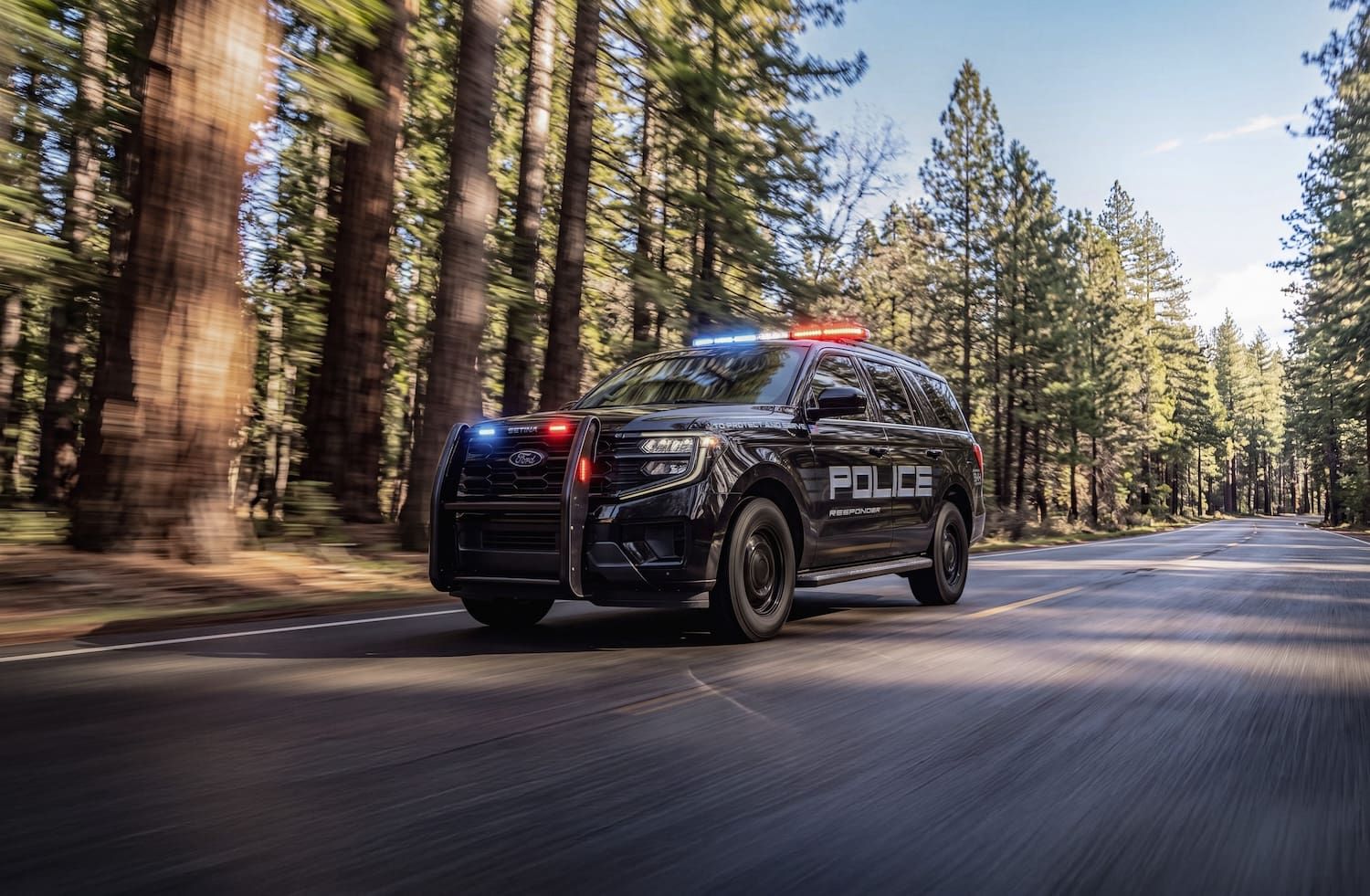
Rugged, utility-focused SUVs. Built for all-wheel drive, towing capacity, and higher ground clearance. This is the category most former patrol vehicles, parks department trucks, and public works support vehicles fall into. They've usually been driven hard in a specific, predictable way, which makes their wear patterns easier to evaluate than a private vehicle with an unknown past.
Larger fleet-style SUVs. Bigger three-row or heavy-duty models used for passenger transport, equipment hauling, or multi-department shared use. These see higher mileage but also the most consistent servicing, since agencies can't afford unplanned downtime on a vehicle multiple departments rely on.
Where Most People Look for Deals (and Why It's Limited)
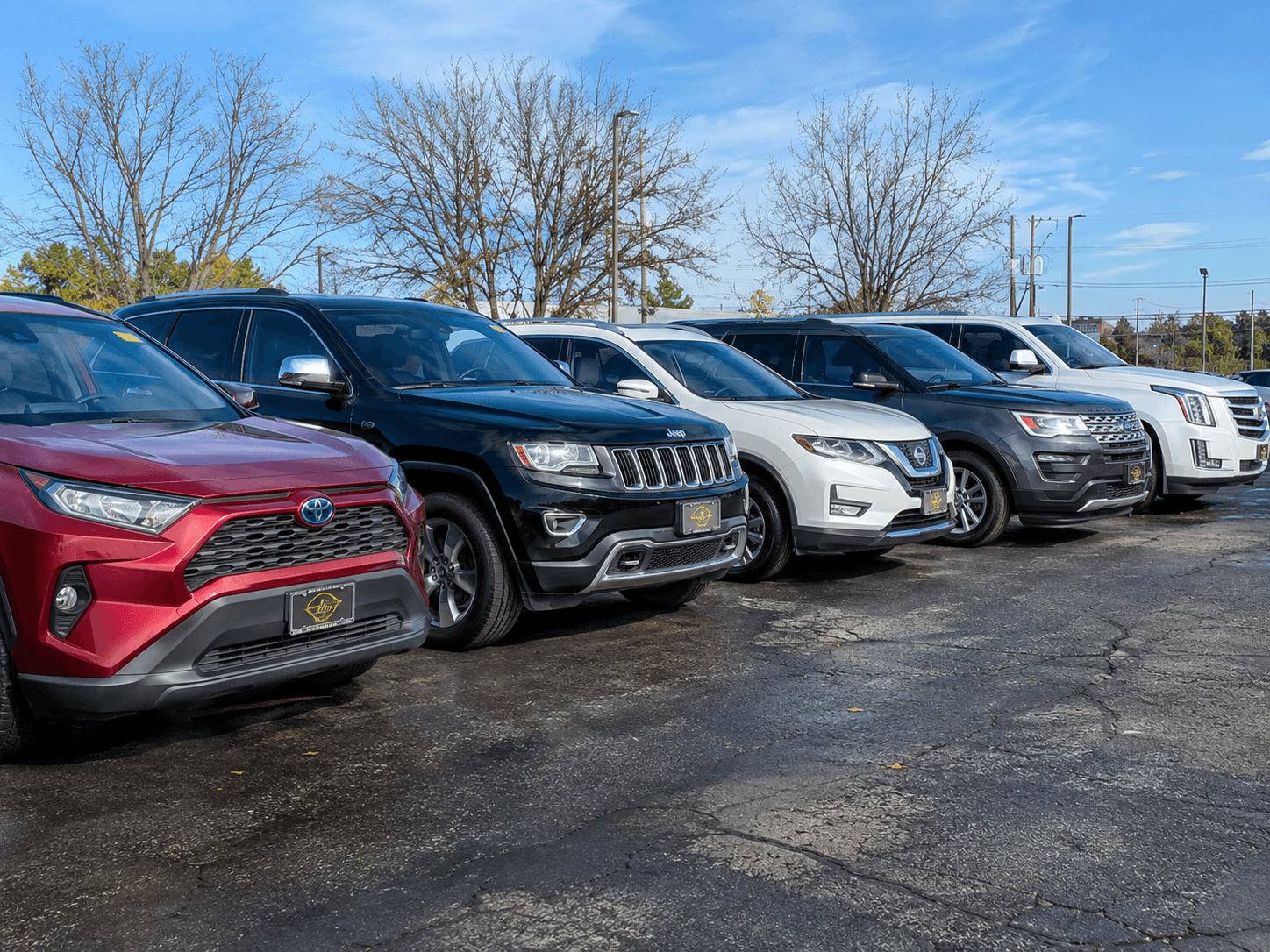
Most used SUV shopping happens in three places: dealership used lots, private-party sales, and classified or marketplace sites. Each has real tradeoffs worth weighing before you commit.
- Dealership used lots offer inspections and sometimes warranties, but markup is built into the price, and you're often competing with other shoppers for the same handful of vehicles on the lot.
- Private-party sales can be cheaper upfront, but maintenance records are inconsistent at best. You're relying on a seller's word for how the vehicle was treated.
- Classified and marketplace sites widen your search radius but add uncertainty. Photos and descriptions vary wildly in accuracy, and you're rarely getting a full service history without asking directly.
None of these are bad options. They're just crowded, and crowded markets tend to push prices toward retail. That's where a fourth option, one most buyers never think to check, starts to look a lot more appealing for anyone hunting for the best used SUV at a fair price.
The Overlooked Source: Government Surplus Auctions
Government surplus auctions are one of the least-known used SUV sources, even though thousands of agencies retire vehicles from their fleets every year. Municipalities, school districts, sheriff's departments, and state agencies all cycle out SUVs on a set schedule, usually tied to mileage thresholds or lease terms rather than how the vehicle looks.
Because these vehicles come from institutional fleets, they typically arrive with documentation private sellers rarely provide: service logs, mileage history, and sometimes repair records tied to the agency's own maintenance department.
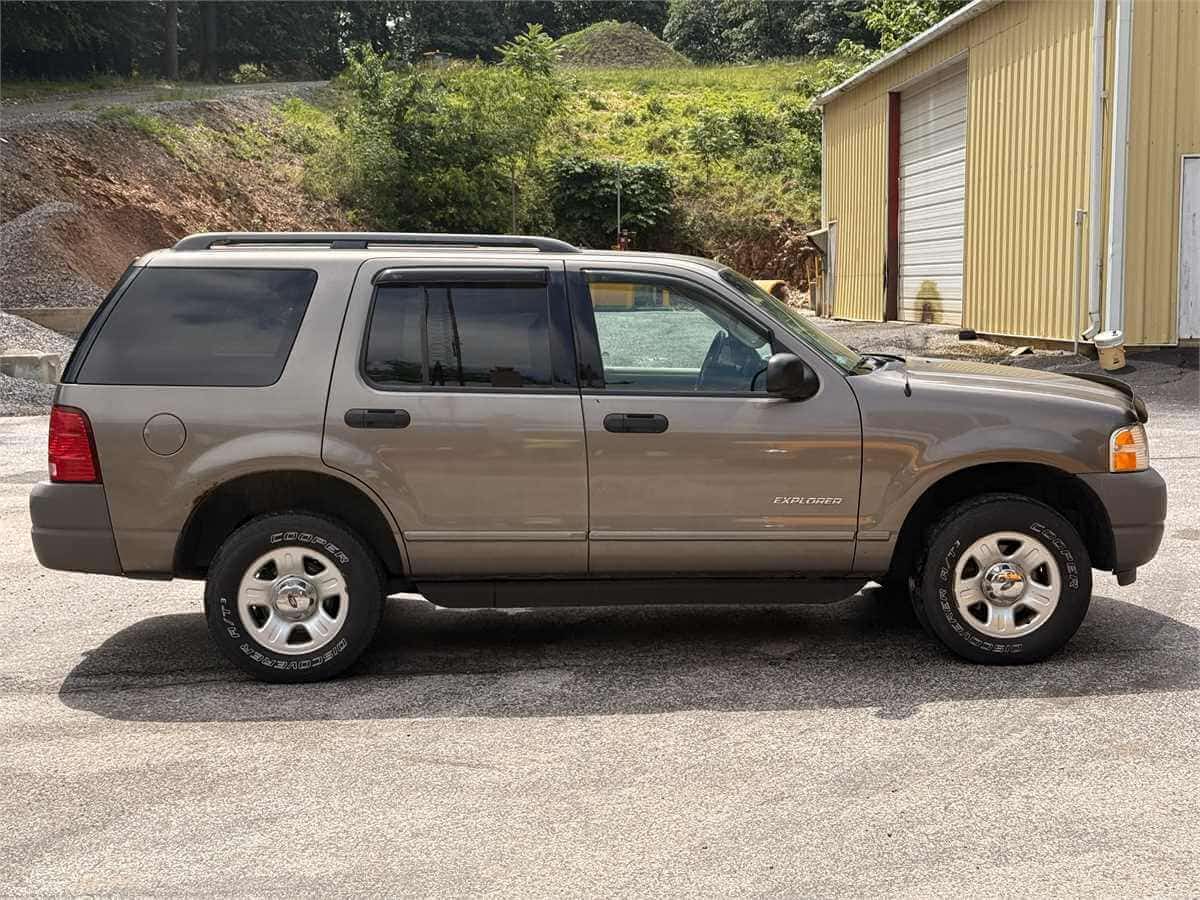
A retired administrative SUV from a school district, for example, might show years of light, predictable use and a full oil-change history, sold not because anything is wrong with it but because the district's replacement schedule calls for newer vehicles at a fixed interval.
These vehicles are typically sold through online public auction rather than a walk-up lot, which means less foot traffic and, often, less competitive bidding than a dealership sale of a similar model. That combination, documented history plus lighter competition, is what makes surplus auctions worth a look for anyone comparing options for the best used SUV.
What to Check Before You Bid on a Government SUV
Bidding on a fleet SUV is different from buying off a dealer's lot, mainly because you're relying on the listing itself rather than a walk-around with a salesperson. A little diligence upfront goes a long way.
- Read the condition report carefully. Most listings include a description of mechanical condition, known issues, and cosmetic wear. Treat this as your primary source of truth.
- Match mileage to use-type. A former patrol SUV with 90,000 miles has a different wear profile than an admin vehicle with the same mileage. Patrol use means more idling and stop-and-go; admin or parks department use tends to be gentler.
- Ask about service records if they're not already listed. Many agencies can provide them on request, even if they're not posted in the auction description.
- Set a max bid before you start and stick to it. Auctions move fast in the final minutes, and it's easy to get pulled past what the vehicle is actually worth to you.
Reliability data from a resource like the NHTSA's vehicle safety ratings database can also help you sanity-check a specific model's recall or safety history before you commit to bidding on a used SUV.
Where to Start Looking
If government surplus auctions are new territory for you, the easiest way in is simply to browse what's currently listed. Municibid's SUV auction category pulls together listings from agencies across the country, updated as new vehicles are retired and posted. You can also browse the broader automotive category if you're open to other vehicle types alongside SUVs.
There's no obligation to bid just because you're looking. Treat it the way you'd treat a first pass through a dealer's inventory: get a feel for what's out there, note the condition reports that stand out, and come back when a listing matches what you actually need.
For agencies themselves, it's worth remembering that every vehicle sold this way returns its proceeds directly to the community that owned it, whether that's a school district's transportation budget or a township's next equipment purchase. That's part of what makes the search for the best used SUV worth extending beyond the usual dealer lot.